
Who Were Key to Modern Society
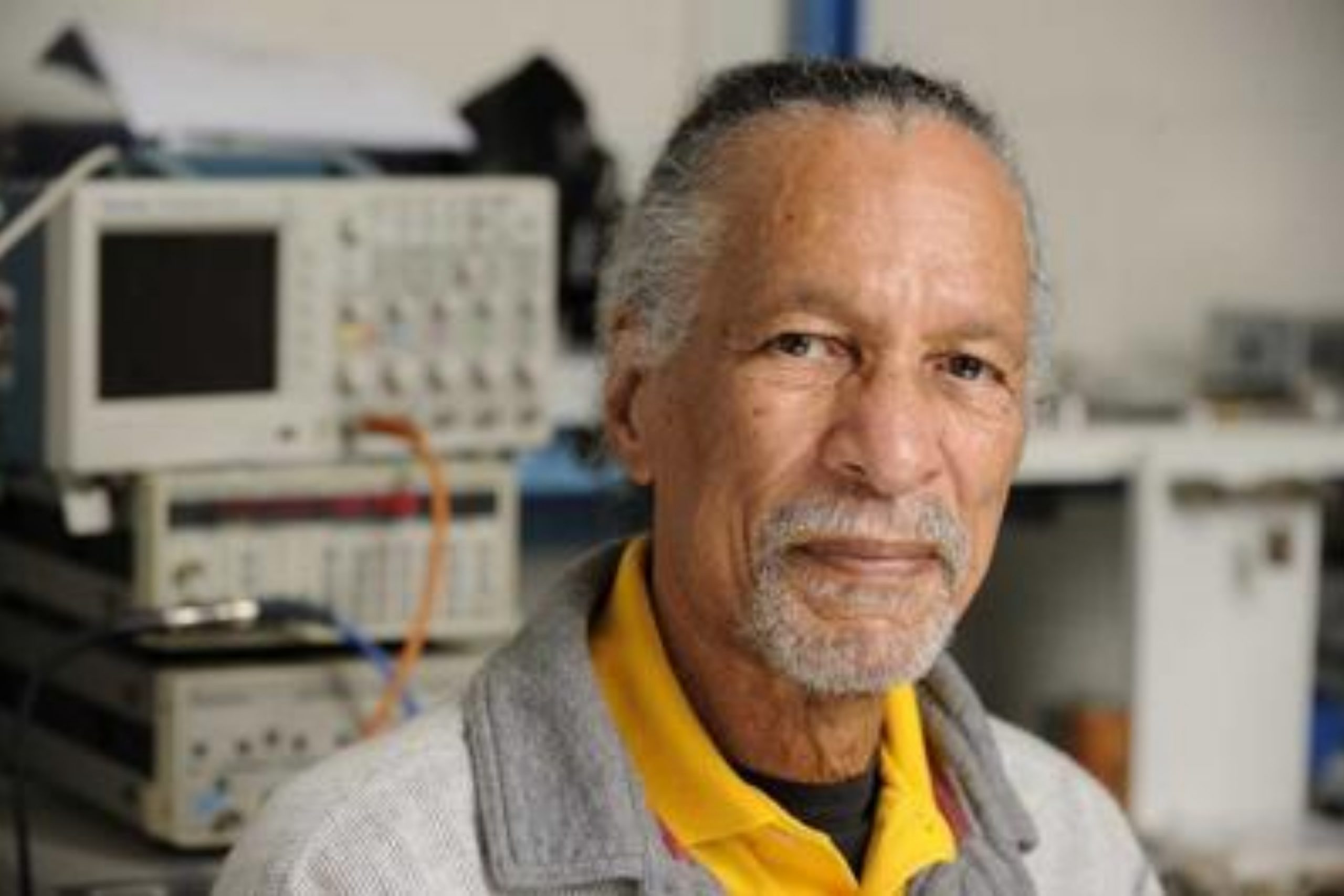
James E. West is an inventor and acoustician that is responsible for inventing a microphone used in many devices today. Dr. West took a liking to electronics at an early age after experiencing an electric shock plugging in a broken radio; more intrigued than deterred by this he went on to train as a physicist. After college, he went to work at Bell Labs where his research led to him co-inventing the foil electret microphone with his colleague in 1960. This creation was an inexpensive, highly sensitive and compact microphone which they patented in 1962. The microphone also used less power than others at the time.
Today, this technology is used in 90% percent of microphones, including those in mobile phones, hearing aids, laptops, camcorders and baby monitors. West’s technology has been revolutionary to the field of acoustics and allowed for the production of affordable condenser microphones (commonly found in recording studios), as they were quite expensive at that time. West has also devoted himself to mentoring and creating opportunities for women and minorities in STEM (science, technology, engineering and mathematics).
Fun fact: Dr. West was inducted into the Inventors Hall of Fame in 1999 and he holds 47 US patents and more than 200 foreign patents from his 40-year career with Bell Labs.
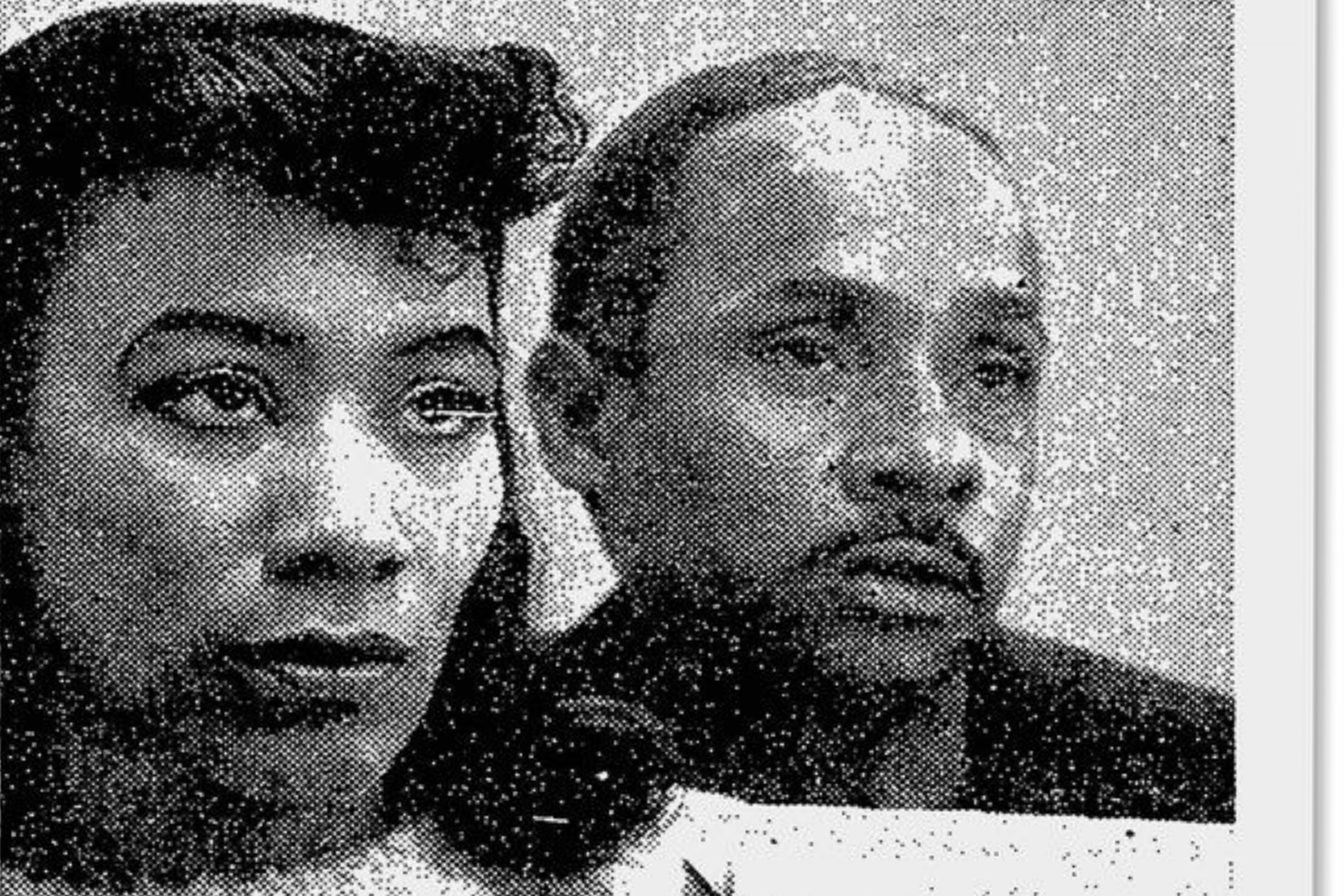
Marie Van Brittan Brown is an inventor that, along with her husband, created the first home security system in 1966. Being a nurse, Marie would work unusual hours and her husband, Albert Brown, was an electronics technician so they wouldn’t always be at home at the same time. Having two children at home, in a neighbourhood with a growing crime rate and unreliable police, Marie felt unsafe at home without her husband. So they both teamed up to devise an intricate home security device that would put her mind at ease.
The invention utilized closed-circuit television technology by having a motorized camera connected to a monitor (via a radio-controlled wireless system), this camera could be moved up and down the peep holes installed in her door. The security system also featured a remote control operated door lock, a 2-way microphone to talk to visitors and a panic button to connect directly to the police. The patent for this system was filed under both their names a led to home security systems being prevalent around the world and it’s all thanks to Marie and her husband Albert.
Fun fact: Brown received an award from the National Scientists Committee for her invention.
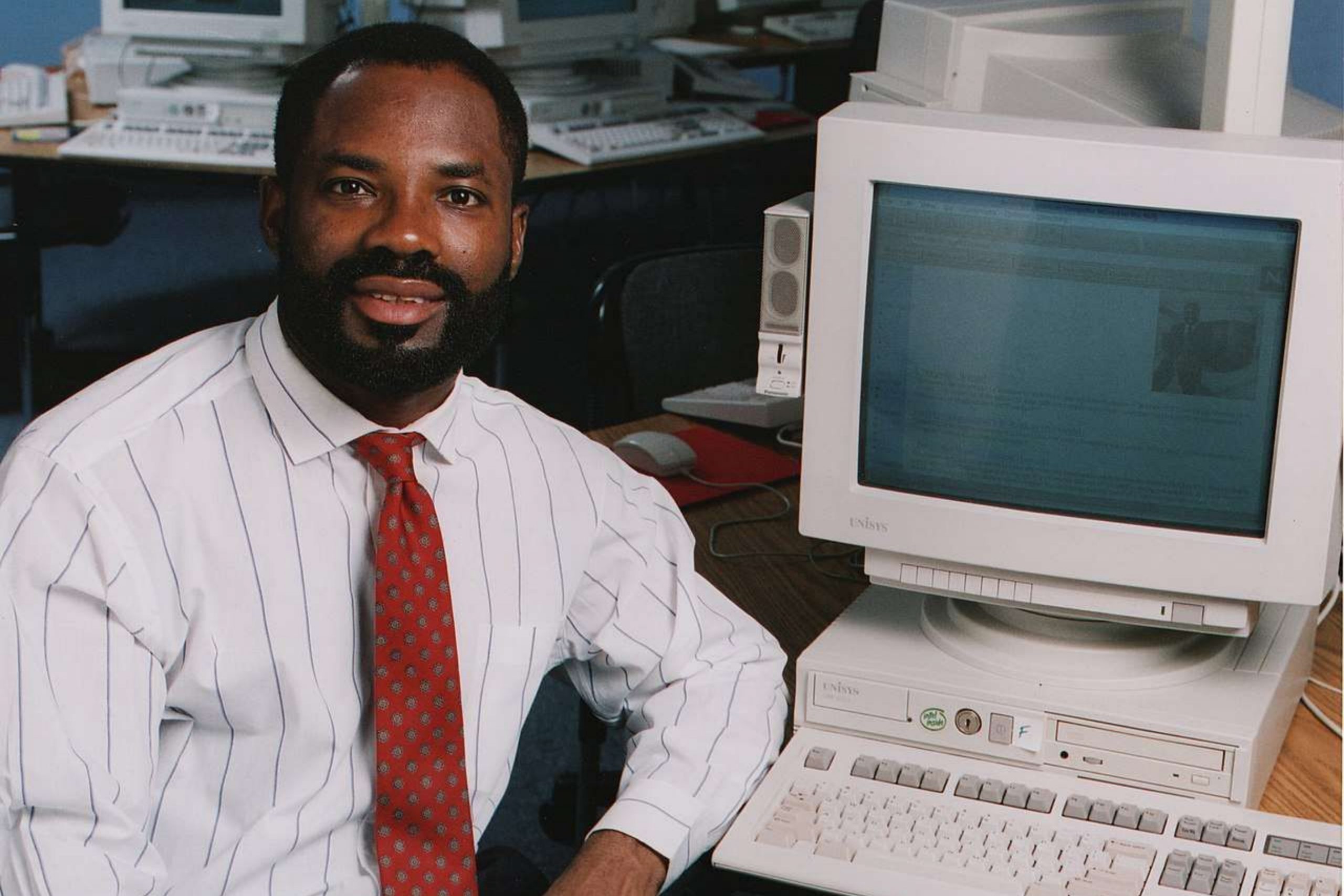
Coined “A Father of the Internet”, Philip Emeagwalie is a computer scientist responsible for designing a programme and formula for the fastest computer in the world. Excelling beyond his years, even through poverty, he mastered calculus at 14 and has gone on to achieve many accolades.
On July 4th 1989 Emeagwalie experimentally discovered how to harness a new internet by using a global network of 65,536 processors to reduce 180 years (65,536 days) of computing to just one day of supercomputing. That’s 3.1 billion computational calculations per second. His discovery is called: Practical Parallel Processing and gave way to other scientists being able to understand more about supercomputers and the benefit of linking several computers together to communicate. He cites that he brought science-fiction to reality referring to a science-fiction book published in 1922 describing a global network of human computers working together.
Emeagwalie has been pivotal to the development of the internet we used today, his system is utilized by all the search engines used to browse the internet (Yahoo, Google, etc.). His idea to get these processors to communicate as one cohesive unit was inspired by nature. He remembers observing bees in nature and how they would work together to achieve tasks as a community. He wanted to make computers emulate the construction of a beehive’s honeycomb. His greatest battle in his field was getting the due credit he deserves and facing plagiarism, quoted as saying: “For me, the toughest part about being a black inventor is getting the full credit for the supercomputer I invented alone.”
By 2001, Emeagwalie had developed his research into the structure for a global superbrain called the “World Wide Brain” which he hopes will one day replace the “World Wide Web” (WWW). He has described how it would become humanity’s repository for intellectual capital and even suggests that future generations might be able to upload their brains onto the WWB to “attain digital immortality.” He continues to work tirelessly in his field to this day.
Above all, Emeagwalie values the path he has forged for black people worldwide, quoted as saying: “my greatest accomplishment is that I have helped to destroy the stereotype that only whites are making contributions to cutting-edge science and technology.”
Fun fact: The discovery earned him the Institute of Electronics and Electrical Engineers’ Gordon Bell Prize in 1989, considered the Nobel Prize of computing. He is also ranked as one of the smartest people in the world.
