The Immune System
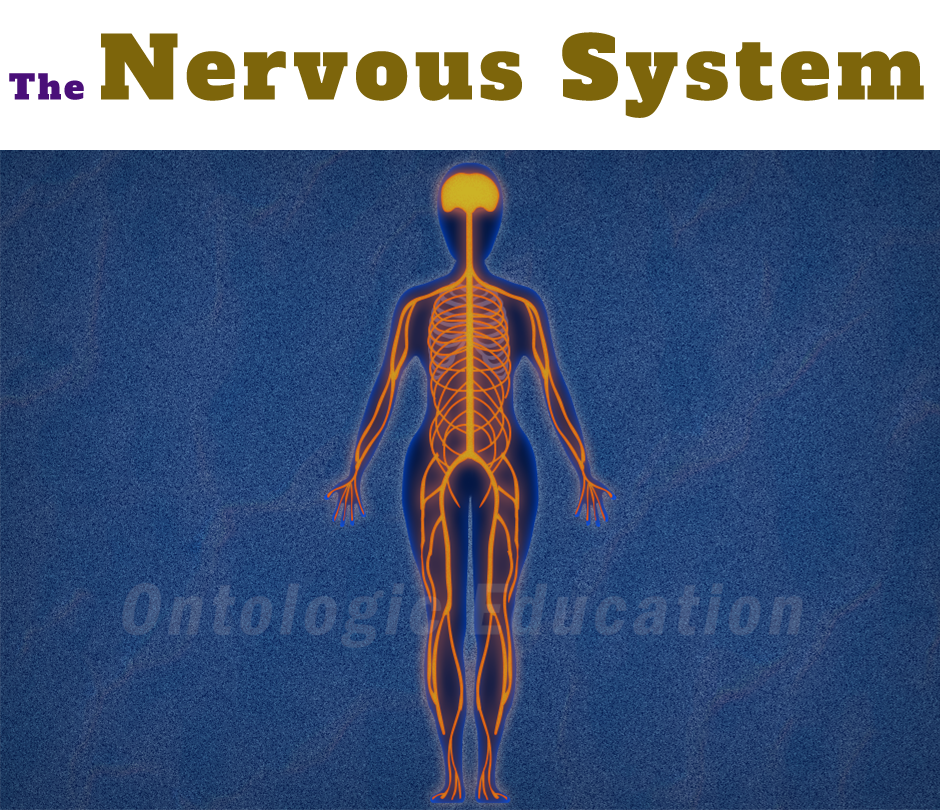
The immune system is a defense system present in biological organisms and designed to protect the body against infection and disease. This system does not reside in one single part of the body, but is in fact made up of a network of cells, all working together to protect the body from any perceived threats. In order to effectively do its job, the immune system must detect a
wide variety of pathogens, and then be able to distinguish these from the organisms own healthy tissue.
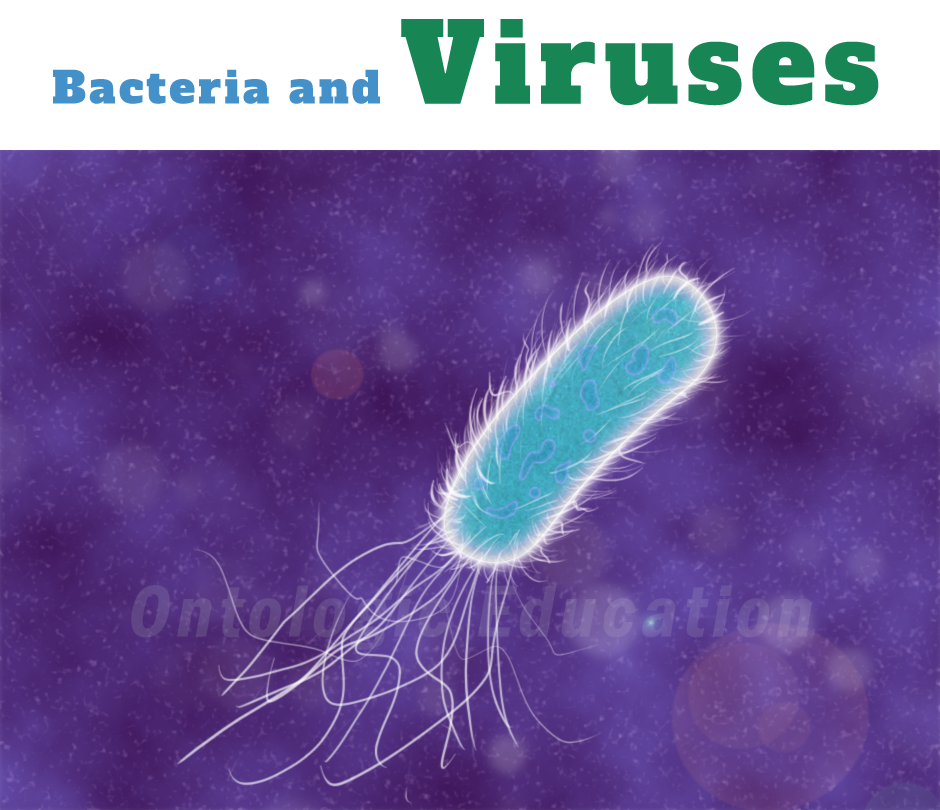
There are many ways to split up and understand the different components to the immune system, however on a simple level, you’ll often find that it is divided into two main categories: The innate immune system and the adaptive immune system. Basically explained, the innate system provides a general defense against common viruses or bacteria. Essentially it is a non specific defense which is activated at the immediate appearance of a threat within the body. The adaptive immune system targets specific threats and learns how to effectively eliminate viruses or bacteria that the body has already come into contact with. This means there is a memory within this adaptive system, so once a particular antigen has been identified, a specific group of immune cells are created to attack every time that specific threat is spotted in the future.
There are several different types of cells involved in this defense system, here are some of them:
B Cells
B cells release antibodies that will defend the body against harmful cells. Each B cell will be responsible for making a particular antibody that will be more effective against a particular type of enemy
CD4 helper T cells
Whilst these cells do not kill infections directly, they send help signals to other immune cells so as to better direct the response and make sure that the harmless infected cells are destroyed as quickly as possible.
CD8 killer T cells
As the name suggests, these cells kill the infected cells, or any cells that are damaged or dysfunctional in anyway and therefore pose a threat the body. They target and destroy thousands of infected cells everyday
Regulatory T cells
Regulatory Cells provide checks and maintenance in order to make sure that the immune system does not overreact in any way. If an immune system does overreact consistently, this is known as an autoimmune disease
Macrophages
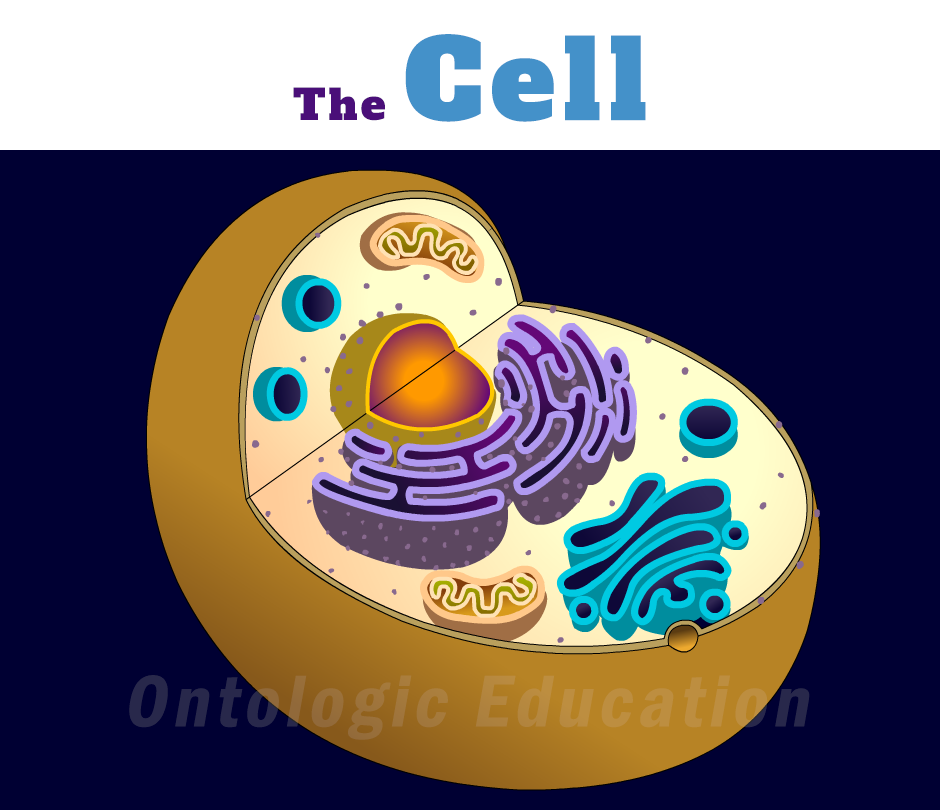
Macrophages consume and destroy bacteria and other harmful cells. They also present proteins of these antigens to other cells of the immune system so that other cells can better recognize and fight them
Additional information
Did you know that a baby receives antibodies from the mother which essentially serves as protection from some infections. This is done through the placenta before birth, and then through the breast milk after the baby is born.
There are many ways to split up and understand the different components to the immune system, however on a simple level, you’ll often find that it is divided into two main categories: The innate immune system and the adaptive immune system. Basically explained, the innate system provides a general defense against common viruses or bacteria. Essentially it is a non specific defense which is activated at the immediate appearance of a threat within the body. The adaptive immune system targets specific threats and learns how to effectively eliminate viruses or bacteria that the body has already come into contact with. This means there is a memory within this adaptive system, so once a particular antigen has been identified, a specific group of immune cells are created to attack every time that specific threat is spotted in the future.
There are several different types of cells involved in this defense system, here are some of them:
B Cells
B cells release antibodies that will defend the body against harmful cells. Each B cell will be responsible for making a particular antibody that will be more effective against a particular type of enemy
CD4 helper T cells
Whilst these cells do not kill infections directly, they send help signals to other immune cells so as to better direct the response and make sure that the harmless infected cells are destroyed as quickly as possible.
CD8 killer T cells
As the name suggests, these cells kill the infected cells, or any cells that are damaged or dysfunctional in anyway and therefore pose a threat the body. They target and destroy thousands of infected cells everyday
Regulatory T cells
Regulatory Cells provide checks and maintenance in order to make sure that the immune system does not overreact in any way. If an immune system does overreact consistently, this is known as an autoimmune disease
Macrophages
Macrophages consume and destroy bacteria and other harmful cells. They also present proteins of these antigens to other cells of the immune system so that other cells can better recognize and fight them
Additional information
Did you know that a baby receives antibodies from the mother which essentially serves as protection from some infections. This is done through the placenta before birth, and then through the breast milk after the baby is born.
Related Articles